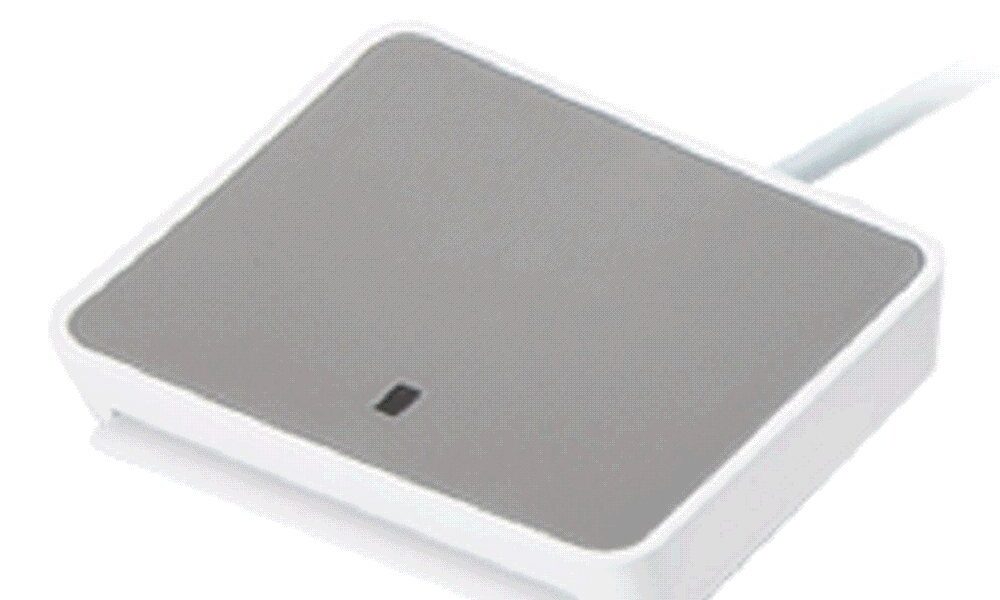
Choosing between contact and contactless CAC readers has gotten complicated with all the conflicting advice flying around.
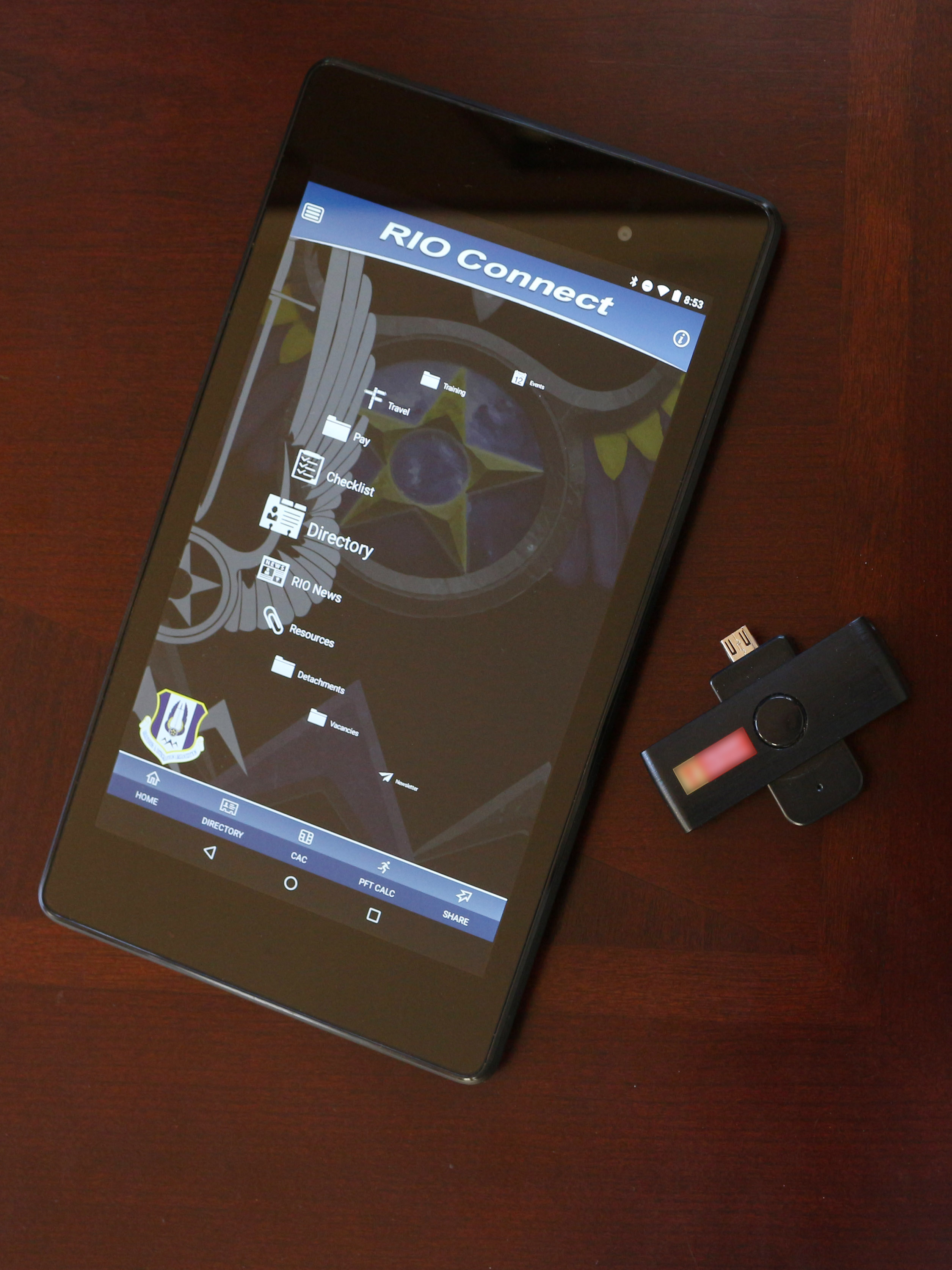
Contact Readers: The Reliable Standard
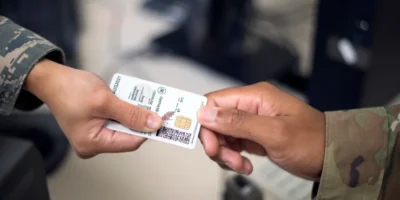
Contact readers are what most people picture when they think “CAC reader.” You slide your card into a slot, the gold chip on your CAC makes physical contact with the reader’s internal pins, and data transfers through that direct electrical connection. It’s simple, proven, and it works with every single CAC card ever issued.
That last point matters more than people realize. Every CAC has a contact chip, no exceptions. So a contact reader is guaranteed to work with your card regardless of when it was issued. The SCR3310, Identiv SCR3500, ACS ACR39U — these are all contact readers, and they range from about $15 to $40.
That’s what makes contact readers endearing to us IT folks who just want stuff to work — no compatibility questions, no guessing, just plug in and go.
Contactless Readers: Convenient But Limited
Contactless readers use NFC (Near Field Communication) to talk to your card wirelessly. You tap or hold your CAC near the reader instead of inserting it. It’s faster and there’s no mechanical wear from repeated insertions. The HID OMNIKEY 5427 and ACR122U are popular contactless options, running $40-80.
Here’s the catch: not every CAC has a contactless chip. Cards issued before roughly 2018 generally don’t have one. Look at your CAC — if you see the contactless symbol (four curved lines, looks like a WiFi icon tilted sideways), your card supports it. No symbol? You need a contact reader.
And here’s the bigger catch for computer authentication specifically. Even if your card has a contactless chip, most DoD computer systems authenticate through the contact interface, not the contactless one. The contactless chip is primarily used for physical access — building doors, gate systems, that sort of thing. So a contactless-only reader might not actually work for logging into your computer or accessing DoD websites.
Speed and Durability
Probably should have led with this section, honestly. Contact readers are marginally faster for certificate operations because the direct electrical connection has higher bandwidth than NFC. The difference is under a second in most cases, so you won’t notice it during normal use.
Durability is where contactless has a clear advantage. Contact readers have moving parts — the spring-loaded pins that press against your card’s chip. After thousands of insertions, those pins wear down or get misaligned. Higher-quality readers last longer, but eventually every contact reader needs replacement from mechanical wear. Contactless readers have no moving parts touching your card, so the reader itself lasts longer. Your card lasts longer too since you’re not scraping the gold chip against metal pins every day.
Security Considerations
Both types are equally secure for authentication. The cryptographic operations happen on the CAC’s chip, not in the reader. The reader is just the communication path between your card and your computer. Whether that path is a physical wire or an NFC radio signal, the actual encryption and certificate validation is the same.
Some security-conscious environments prefer contact readers because the physical connection is inherently harder to intercept than a wireless signal. Is someone going to realistically intercept your NFC communication in your office? Almost certainly not. But in a SCIF or other high-security facility, the policy is “no wireless,” and that includes contactless readers.
My Recommendation
For computer authentication — logging in, accessing DoD websites, signing email — get a contact reader. It works with every card, it’s what DoD systems expect, and it costs less. The SCR3310v2 at $15 covers 99% of use cases.
If you need contactless for physical access work, testing, or you want the tap-and-go convenience for non-computer tasks, consider a dual-interface reader like the HID OMNIKEY 5422 that handles both contact and contactless. That way you’re covered for everything without carrying two devices. But for most people sitting at a desk doing regular DoD work, contact-only is the smart buy.

Subscribe for Updates
Get the latest cac readers.com updates delivered to your inbox.
We respect your privacy. Unsubscribe anytime.