
CAC reader warranties have gotten complicated with all the fine print flying around.
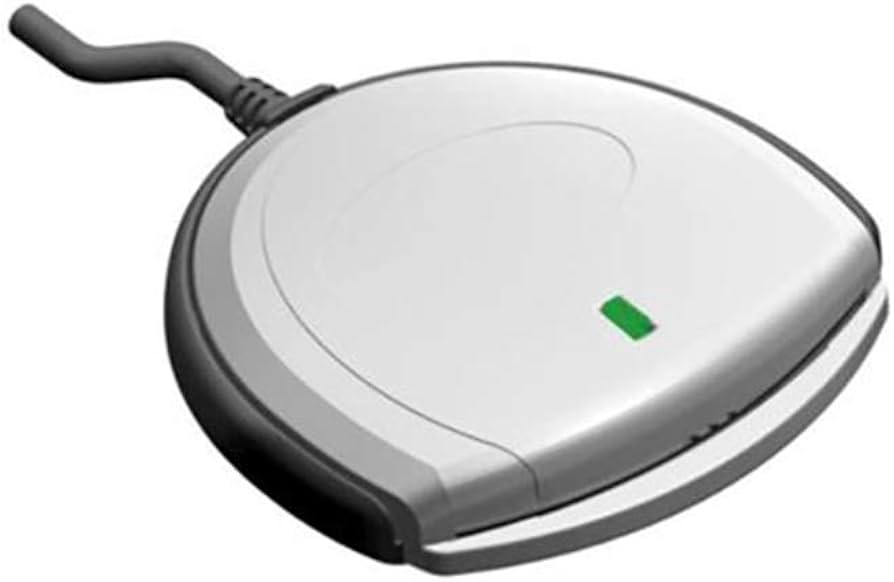
Standard Warranty Coverage
Most CAC readers from major manufacturers come with a 1-2 year limited warranty. The SCR3310 from Identiv typically carries a 2-year warranty, while HID Global’s OMNIKEY line usually offers 2 years as well. ACS readers tend to come with a 1-year warranty, though that can vary by model and where you bought it.
What’s actually covered is pretty straightforward: manufacturing defects, dead-on-arrival units, and component failures that happen under normal use. If you plug in a brand new reader and it doesn’t power up, that’s a warranty claim. If the contact pins inside the reader wear out after three months of regular use, that should be covered too.
What Warranties Don’t Cover
Probably should have led with this section, honestly. Here’s where most people get burned. Physical damage from drops or spills? Not covered. Damage from using the wrong voltage USB hub? Not covered. Reader stopped working because you tried to jam a credit card in there instead of your CAC? Definitely not covered, and yes, I’ve seen that happen.
The big one that catches military folks off guard is “unauthorized modification.” If your unit’s IT shop tries to flash custom firmware or opens the reader case to clean the contacts, that can void the warranty on some models. Always check before you let someone tinker with the hardware.
Cable damage is another gray area. Some manufacturers cover the cable as part of the unit, others treat it as a wear item. If your reader cable gets pinched in a desk drawer and the internal wires break, you might be out of luck depending on the brand.
How to Actually File a Warranty Claim
That’s what makes understanding warranty procedures endearing to us procurement folks — it saves a ton of headaches down the road when you know the process before you need it.
For most CAC reader manufacturers, the process goes like this: contact their support team (usually via email or a web form), provide your proof of purchase, describe the issue, and they’ll either send you a replacement or issue an RMA number so you can ship the defective unit back. Turnaround time is typically 1-3 weeks, which means you need a backup reader in the meantime.
Keep your receipts. I know that sounds obvious, but the number of times someone has come to me with a dead reader and no proof of purchase is staggering. If you’re buying through GPC (Government Purchase Card), save a copy of the transaction record somewhere accessible — not just in the finance office where it takes three weeks to dig it out.
Extended Warranties and Bulk Purchases
Some vendors offer extended warranties or service agreements for bulk purchases. If your unit is buying 50+ readers, it’s worth asking about. Identiv and HID Global both have enterprise support tiers that can include advance replacement — meaning they ship you a new reader before you send the broken one back. That’s a big deal when you can’t afford downtime.
Third-party extended warranties from retailers like Amazon or Best Buy are generally not worth it for CAC readers. The readers are cheap enough ($15-40 each) that it makes more sense to just buy a spare than to pay for an extended warranty that might cost half the price of the reader itself.
My Take on Warranties
Honestly, most CAC readers either work out of the box and keep working for years, or they fail within the first couple weeks. That initial warranty period covers the risky part. After that, the most common failure modes are physical damage and connector wear — neither of which is covered by warranty anyway. Buy from a reputable manufacturer, keep a spare on hand, and don’t sweat the warranty details too much.




Subscribe for Updates
Get the latest cac readers.com updates delivered to your inbox.
We respect your privacy. Unsubscribe anytime.