
CAC reader security features have gotten complicated with all the certification requirements and standards flying around.
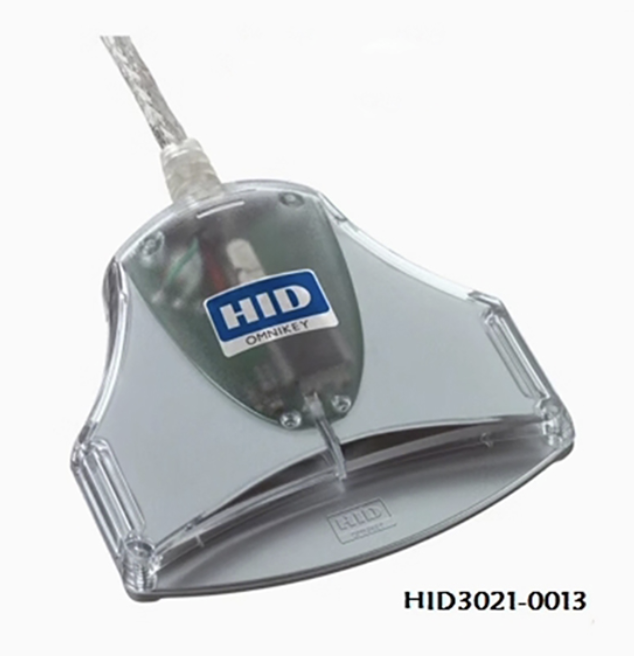
FIPS 201 Compliance: The Big One
If your CAC reader isn’t FIPS 201 compliant, it shouldn’t be anywhere near a government network. FIPS 201 (Federal Information Processing Standard Publication 201) is the standard for Personal Identity Verification of federal employees and contractors. A reader that meets this standard has been tested and approved for use with PIV cards — which is what your CAC is.
The GSA maintains an Approved Products List (APL) of readers that have passed FIPS 201 testing. If you’re buying readers for official use, this list is your bible. Your information security office will almost certainly require APL-listed readers. All the major names — Identiv, HID Global, ACS — have models on the list, so it’s not hard to find compliant hardware.
CCID: Universal Smart Card Interface
CCID stands for Chip/Smart Card Interface Devices. It’s a USB protocol standard that lets smart card readers work with generic drivers built into modern operating systems. A CCID-compliant reader will work on Windows, Mac, and Linux without installing manufacturer-specific drivers in most cases.
That’s what makes CCID compliance endearing to us IT folks — you plug in the reader and it just works. No hunting for driver downloads, no compatibility issues, no calling the manufacturer’s support line. Windows 10 and 11 have built-in CCID support that recognizes most readers instantly.
Tamper Resistance
Probably should have led with this section, honestly. Higher-end CAC readers include tamper-evident or tamper-resistant features. This means the physical casing is designed so that if someone tries to open it and modify the internal hardware (to intercept card data, for example), it will be obvious that the device has been compromised.
For most office environments, this isn’t something you need to lose sleep over. The risk of someone physically modifying your desktop CAC reader is extremely low. But in high-security environments — SCIFs, classified networks, deployed locations — tamper resistance becomes a real requirement. Some facilities mandate readers with specific tamper ratings.
Secure Messaging and Encryption
When your CAC communicates with the reader, the data exchange includes cryptographic operations — PIN verification, certificate reading, digital signatures. The reader itself doesn’t handle the encryption (that happens on the CAC’s embedded chip), but a good reader ensures the communication channel between card and computer is clean and uninterrupted.
Some advanced readers support Secure Messaging, which adds an encrypted tunnel between the card and the reader hardware. This prevents man-in-the-middle attacks at the hardware level. Again, this is mainly relevant in high-security environments. For standard office use, the built-in security of the CAC chip itself provides adequate protection.
What You Actually Need to Care About
For 95% of CAC users, here’s what matters: buy a FIPS 201 compliant reader from the GSA Approved Products List. Make sure it’s CCID compliant so it works without driver headaches. That’s it. The reader is a conduit — the real security lives on your CAC card and in the DoD PKI infrastructure. Don’t overpay for security features on the reader that your environment doesn’t require. Check with your cybersecurity team if you’re unsure what’s mandated for your facility.




Subscribe for Updates
Get the latest cac readers.com updates delivered to your inbox.
We respect your privacy. Unsubscribe anytime.